
Living with a chronic illness changes the way you think about time, energy, and what you can accomplish in a day. If you’ve ever had a “good day” that turned into several difficult days because you tried to catch up on everything at once, you’ve already experienced why pacing with chronic illness matters.
This post contains affiliate links. As an Amazon Associate and Walmart Creator, I earn from qualifying purchases. I may also earn a commission through other affiliate programs at no extra cost to you. I only share products I genuinely find useful or interesting.
Pacing is one of the most valuable skills you can learn when you live with a chronic condition. It isn’t about giving up or lowering your expectations. It’s about using your limited energy in a way that helps you do more over time instead of constantly recovering from doing too much.
Finding a sustainable rhythm can make room for the parts of life you enjoy instead of spending all your energy just trying to keep up. If you’re looking for another gentle way to support your well being, you might also enjoy my article on Gentle Movement for Chronic Illness: Reclaiming Comfort and Healing.
Whether you’re newly diagnosed or you’ve been managing chronic illness for years, understanding pacing with chronic illness can help you reduce flare ups, protect your energy, and make room for the things that bring you joy.
Table of Contents
What Is Pacing?
Pacing is the practice of balancing activity with rest before your body forces you to stop.
Instead of working until you’re exhausted, you intentionally take breaks, spread larger tasks over several days, and pay attention to your body’s early warning signs.
For many spoonies, energy isn’t unlimited. It is a resource that has to be managed carefully. Some days you may have plenty to work with. Other days, even simple tasks like making breakfast or taking a shower can use a significant portion of your energy.
Pacing with chronic illness helps you spend that energy more intentionally.
Pacing and energy conservation strategies are commonly recommended by occupational therapists to help people manage fatigue and complete daily activities more sustainably. If you’d like to learn more about the principles behind pacing, the Royal College of Occupational Therapists’ guide to managing energy offers a practical overview.
The Boom and Bust Cycle
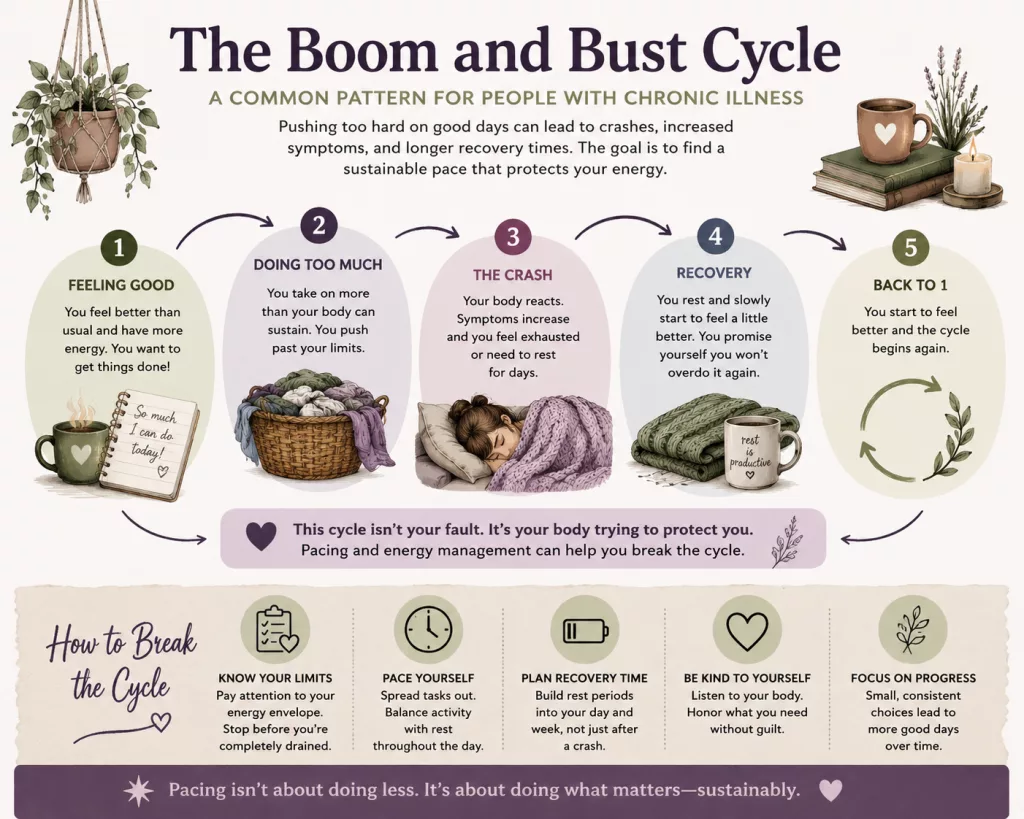
One of the biggest reasons pacing with chronic illness is so important is because it helps break what many people call the boom and bust cycle.
It often looks something like this:
- You wake up feeling better than usual.
- You clean the house.
- You catch up on laundry.
- You run errands.
- You answer emails.
- You cook dinner.
By the evening, you’re exhausted.
The next day, you’re dealing with increased pain, fatigue, brain fog, or another flare that leaves you needing days to recover.
Many of us have been taught that productive days should be packed with activity. Chronic illness doesn’t usually work that way. Sometimes doing less today means you’ll be able to do more tomorrow.
Many organizations that support people with chronic illnesses encourage pacing because consistently pushing past your limits can increase fatigue and make symptoms harder to manage. The Arthritis Foundation’s article on pacing yourself explains how balancing activity with rest can help protect your energy.
Pacing with Chronic Illness Is About More Than Physical Energy
When people think about pacing, they often picture physical tasks. But your energy is used in many different ways.
You may need to pace:
- Household chores
- Work or school
- Social activities
- Creative projects
- Reading or studying
- Driving
- Emotional conversations
- Medical appointments
Even enjoyable activities can be draining if you don’t leave yourself enough time to recover.
Signs You May Need Better Pacing with Chronic Illness
You don’t have to wait until you’re completely exhausted before making changes.
Some common signs include:
- Feeling wiped out after routine tasks
- Frequently canceling plans because of fatigue
- Needing several days to recover after busy weekends
- Increased pain after overdoing it
- Brain fog that gets worse throughout the day
- Feeling frustrated because you can’t predict how you’ll feel tomorrow
If any of these sound familiar, it may be worth experimenting with pacing strategies.
Persistent fatigue isn’t always just “being tired.” It can be a symptom of many medical conditions, which is why it’s important to talk with your healthcare provider if you’re experiencing ongoing or worsening fatigue. MedlinePlus explains more about fatigue and its possible causes
Simple Ways to Start Pacing Today
You don’t need a complicated system to begin. Small changes can make a meaningful difference.
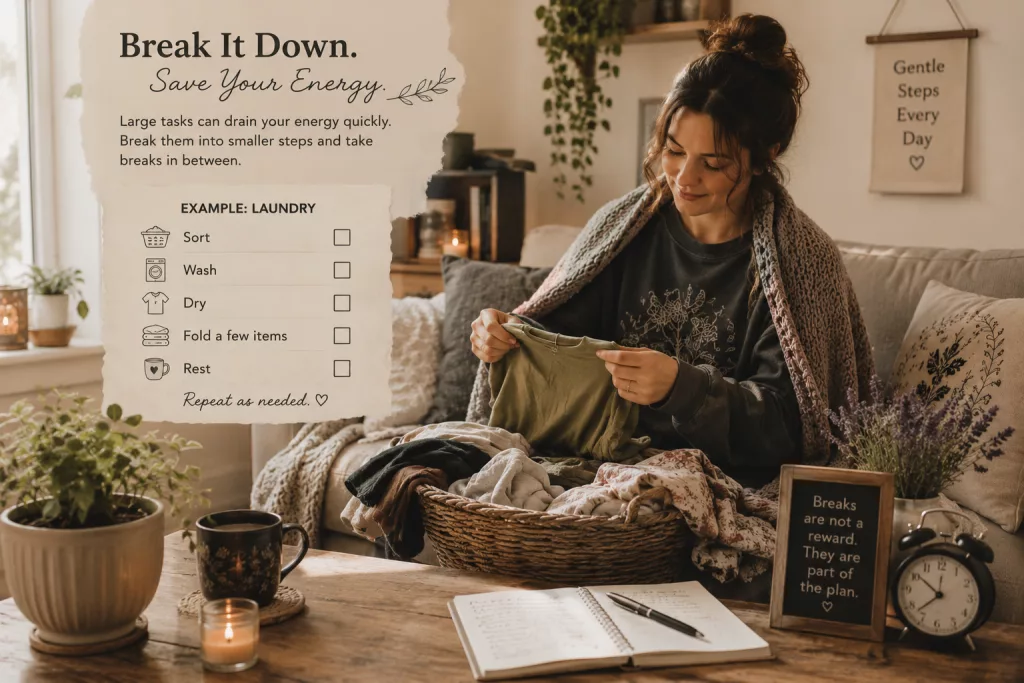
Break Large Tasks Into Smaller Steps
Instead of cleaning the entire kitchen, wipe the counters today and load the dishwasher later.
Instead of organizing an entire room, spend fifteen minutes on one shelf.
Progress still counts, even if it happens slowly.
The same idea works for hobbies. Instead of trying to finish a project in one sitting, work on it a little at a time. My post on 4 Science-Backed Benefits of Crochet for Anxiety You Can Feel explains why repetitive, low pressure creative activities can be so calming when you’re dealing with stress or chronic illness.
Rest Before You Need To
Many people wait until they’re exhausted before taking a break.
Try setting a timer and resting before you feel completely drained. Even five or ten minutes of sitting quietly can help.
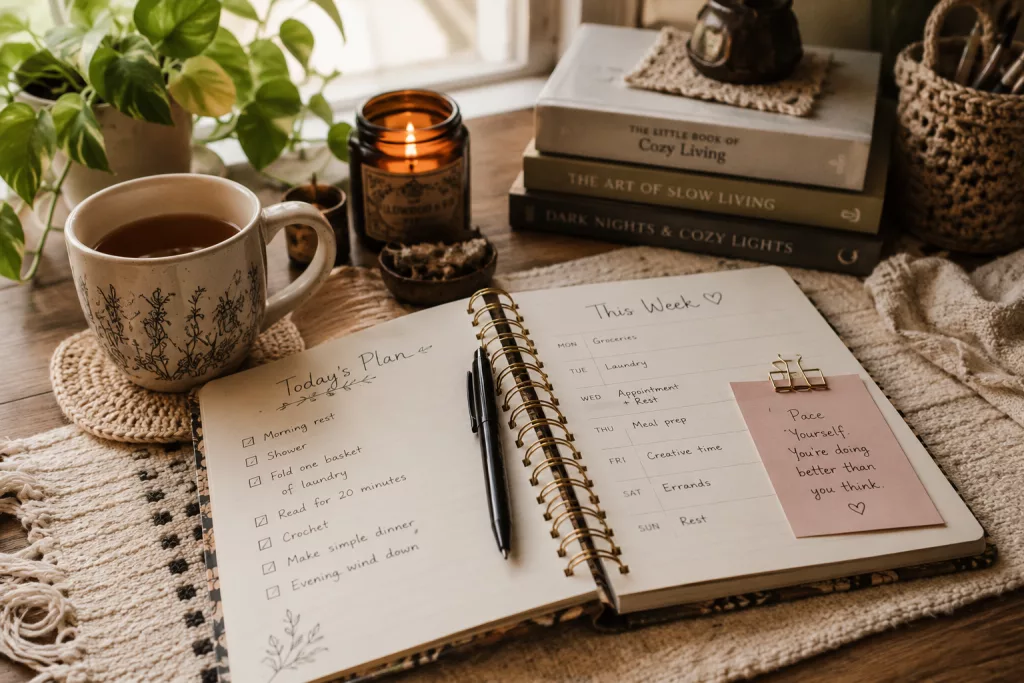
Spread Tasks Across the Week
If possible, avoid scheduling multiple demanding activities on the same day.
For example:
- Monday: Grocery shopping
- Tuesday: Laundry
- Wednesday: Medical appointment
- Thursday: Meal prep
- Friday: Rest or hobbies
Giving yourself breathing room can reduce the chance of triggering a flare.
Pay Attention to Your Patterns
Notice what tends to leave you feeling worse later.
Maybe standing for long periods is harder than walking. Maybe social events are more tiring than you realized. Learning your own patterns makes pacing much easier over time.
Everyone’s pacing journey looks different. If you’re looking for practical tools that can make everyday life a little easier, I’ve gathered my favorite comfort items, recovery tools, and chronic illness essentials into one collection. Take a look at my Living Well: Tools for Chronic Illness Support favorites.
Pacing Includes the Things You Love
One of the hardest parts of chronic illness is feeling like you have to give up hobbies.
Pacing with chronic illness doesn’t mean you have to stop creating. It means finding ways to enjoy your hobbies without emptying your energy reserves.
You might crochet for twenty minutes instead of two hours.
You might decorate one shelf today and another next weekend.
You might read one chapter before taking a break.
Creative hobbies are often part of caring for yourself, and they deserve space in your energy budget just as much as chores and appointments do.
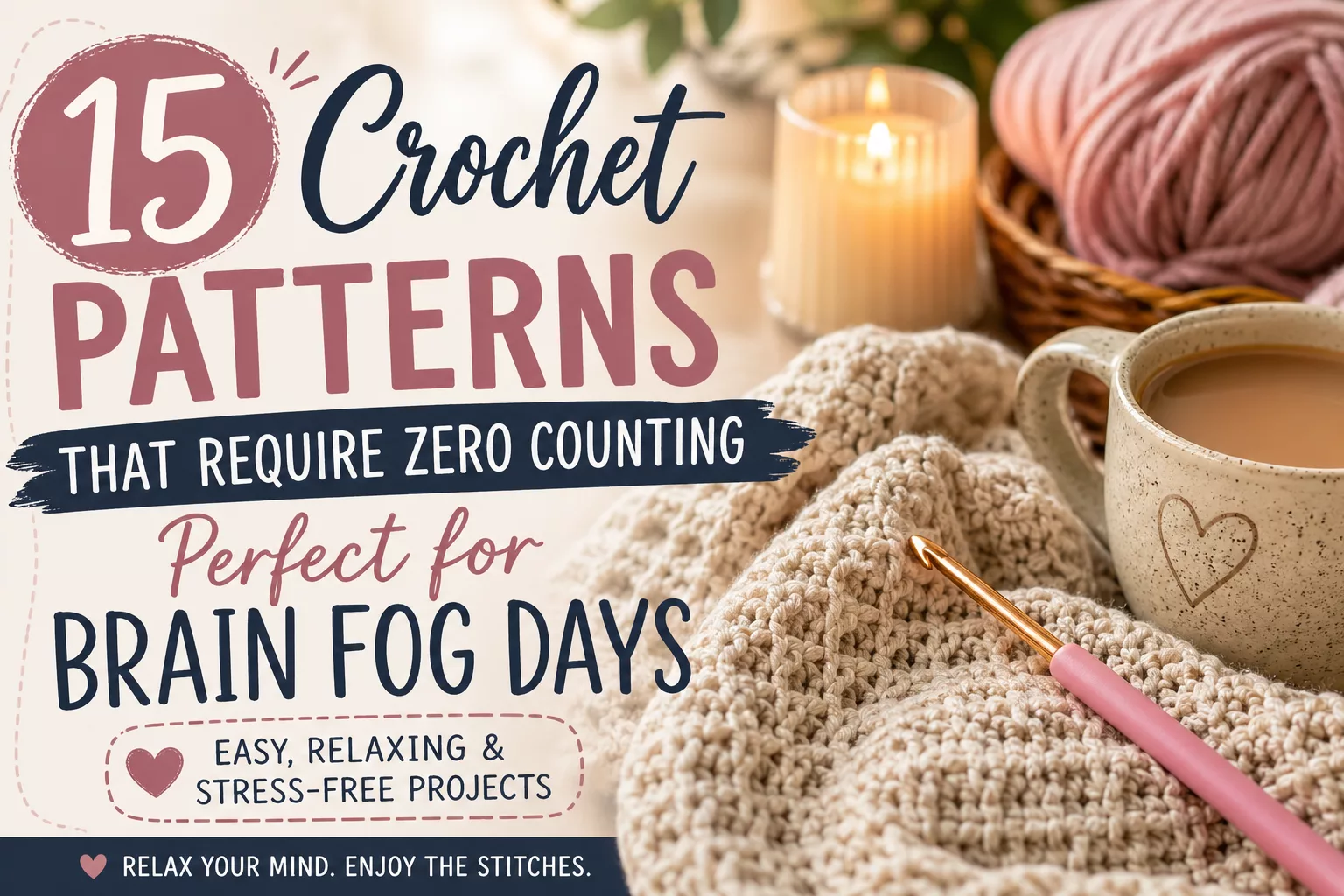
On lower energy days, I often reach for simple crochet projects that don’t require much concentration. If that sounds familiar, take a look at 15 Easy Crochet Patterns That Require Zero Counting (Perfect for Brain Fog Days) for relaxing projects that are easier to pick up when your energy is limited.
Pacing Isn’t Laziness
Many spoonies struggle with guilt.
Our culture often celebrates pushing through discomfort and staying busy. When you live with chronic illness, those messages can be difficult to ignore.
The reality is that pacing with chronic illness is an active decision. It takes awareness, planning, and self honesty.
Choosing to stop before you reach your limit isn’t laziness. It’s one way of caring for your future self.
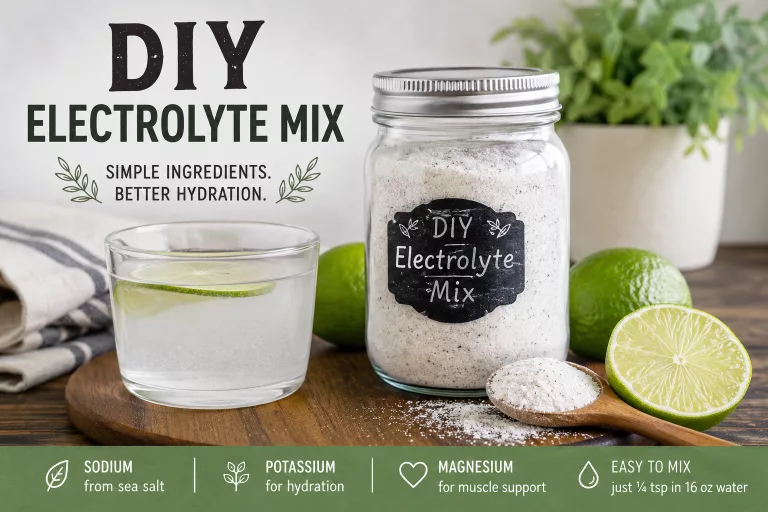
Pacing works best when it’s paired with good self care. One thing that helps me during busy days or flares is staying on top of hydration. My DIY Electrolyte Drink Recipe for Spoonies shares an inexpensive recipe that’s become part of my routine.
Frequently Asked Questions About Pacing with Chronic Illness
What does pacing mean for chronic illness?
Pacing is the practice of balancing activity with planned rest to help manage fatigue, pain, and other symptoms. Instead of waiting until you’re exhausted, you take breaks before reaching your limit and spread larger tasks over time.
Is pacing the same as resting?
No. Rest is one part of pacing, but pacing with chronic illness also includes planning your day, breaking tasks into smaller steps, and choosing where to spend your energy. The goal is to create a more sustainable routine rather than simply doing less.
Why do spoonies talk about the boom and bust cycle?
The boom and bust cycle happens when you use a large amount of energy on a good day, only to spend the next several days recovering. Pacing can help reduce this pattern by encouraging more consistent activity levels and regular breaks.
How do I know if I need to pace myself?
You may benefit from pacing if you often feel exhausted after everyday tasks, need several days to recover from a busy day, experience frequent flare ups, or find yourself pushing through symptoms until your body forces you to stop.
Give Yourself Permission to Slow Down
Learning to pace takes practice. There will still be days when you misjudge your energy or unexpected events throw off your plans. That’s normal.
Instead of aiming for perfection, aim for consistency.
Celebrate the days when you listen to your body. Notice the moments when taking a short break helps you avoid a larger setback. Those small choices add up over time.
Living with chronic illness often means redefining what a productive day looks like. Sometimes productivity is finishing one task and still having enough energy left to enjoy a favorite hobby, read a book, or spend time with someone you love.
That is progress too.
Helpful Tools That Make Pacing Easier
Pacing isn’t about buying more things—it’s about finding small ways to conserve your energy so you can spend it on what matters most.
Over the years, I’ve collected products that genuinely make living with chronic illness a little easier. From hydration and comfort items to mobility aids, recovery tools, and adaptive kitchen products, these are things I use, trust, or recommend because they’ve helped me maintain my independence and continue creating.
If you’re looking for practical support beyond the tips in this article, I’ve gathered them all in one place:
👉 Living Well: Tools for Chronic Illness Support
Whether you’re newly diagnosed or have been pacing for years, I hope this collection helps you discover something that makes everyday life just a little bit easier.