I wasn’t planning to write about cleaning today.
This post contains affiliate links. As an Amazon Associate and Walmart Creator, I earn from qualifying purchases. I may also earn a commission through other affiliate programs at no extra cost to you. I only share products I genuinely find useful or interesting.
This idea came to me while getting ready for a surprise apartment inspection. As I worked my way from room to room, I realized I wasn’t using expensive products or spending hours scrubbing every surface. I was relying on a collection of simple tools, small shortcuts, and practical systems that make cleaning easier on my body.
If you live with chronic illness, chronic pain, fatigue, ADHD, or another condition that affects your energy, you already know that many cleaning guides assume you have unlimited time and strength. The reality is that some days just loading the dishwasher or wiping down the bathroom sink can feel like a major accomplishment.
Over time, I’ve learned that the best cleaning routine isn’t the one that looks impressive online. It’s the one you can actually keep up with.
This guide isn’t about creating a spotless home or following someone else’s idea of the “right” way to clean. It’s about finding low energy cleaning tips that help you maintain a home that’s comfortable, healthy, and works with your body instead of against it.
Some of these ideas save time. Others reduce the amount of lifting, bending, or scrubbing you have to do. A few simply remove unnecessary steps that make cleaning feel more overwhelming than it needs to be.
Whether you call yourself a spoonie or you’re simply looking for practical ways to make cleaning more manageable, I hope these ideas help you build routines that fit your life, your home, and your energy level.
Start by Changing the Goal
One of the biggest changes I had to make wasn’t buying a new cleaning tool or finding a better product. It was changing what I expected from myself.
For a long time, I compared my home to spotless houses on television, in magazines, and online. If I couldn’t clean everything in one day or keep every room looking perfect, I felt like I was falling behind.
The truth is, those expectations weren’t realistic for my life or my energy level.
Now, my goal is much simpler. I want a home that feels comfortable, is safe to move around in, and stays clean enough that I don’t have to spend an entire weekend catching up.
That means I celebrate progress instead of perfection.
If the dishes are washed before they pile up, that’s a success.
If the bathroom sink gets wiped down while I’m already brushing my teeth, that counts.
If the laundry is clean and stored in labeled baskets instead of neatly folded in drawers, it’s still done.
Managing your energy: Learn practical daily strategies to avoid the boom-and-bust cycle in Pacing with Chronic Illness: A Practical Guide for Managing Fatigue.
Your home doesn’t have to look like it belongs in a magazine to be clean, welcoming, or well cared for. It only needs to support the people who live there.
I’ve also learned that a cleaning system you can maintain is far better than a perfect routine you can’t keep up with. Small habits done consistently often accomplish more than waiting until you have enough energy to deep clean the entire house.
As you read through these low energy cleaning tips, remember that you don’t have to use every idea. Pick the ones that solve the challenges you face most often and leave the rest. Every home is different, and every body is different.
The best cleaning routine is the one that works for you.
Remember:
You don’t have to try every tip in this guide. Pick one idea that would make cleaning easier this week. Once that becomes part of your routine, come back and try another.
Remove Friction Instead of Working Harder
When people think about cleaning, they’re often told to work harder, move faster, or set aside an entire day to get everything done. For many of us, that simply isn’t realistic.
Instead, I try to remove as many obstacles as possible.
If carrying heavy cleaning supplies from room to room wears me out, I keep them together in a basket with a handle.
If hauling out the full size vacuum feels like too much for a quick job, I reach for my small 3 in 1 computer vacuum and air blower instead.
If scrubbing the shower leaves my shoulders aching, I let an electric scrubber do most of the work.
Each small change saves a little time, a little energy, or a little strain on my body. On its own, that may not seem like much. Together, those small changes make it much easier to keep my home comfortable without exhausting myself.
I also remind myself that accessibility doesn’t stop at the front door. Your home should work for you, too.
Gentle productivity: Explore workspace essentials designed for gentle organization in Cozy Planning Tools for Spoonies & Creatives.
That might mean keeping everyday cleaning supplies where you use them most often. It might mean using a robot vacuum to handle daily dust and pet hair. It might mean storing clean clothes in baskets because folding them every week simply isn’t realistic.
None of these changes are shortcuts in the negative sense of the word. They’re practical solutions that help you spend your energy where it matters most.
Cleaning doesn’t have to be done the traditional way to be effective. If a different approach helps you maintain your home while respecting your body’s limits, then it’s the right approach for you.
My Favorite Low Energy Cleaning Tools
You don’t need a house full of expensive gadgets to make cleaning easier. In fact, some of my favorite tools were originally purchased for completely different purposes.
The goal isn’t to buy every cleaning tool on the market. It’s to find a few that reduce lifting, scrubbing, bending, or repetitive movements so you can keep your home comfortable without using more energy than necessary.
Here are the tools I reach for most often and why they’ve earned a permanent place in my cleaning routine.
A 3 in 1 Computer Air Blower and Vacuum
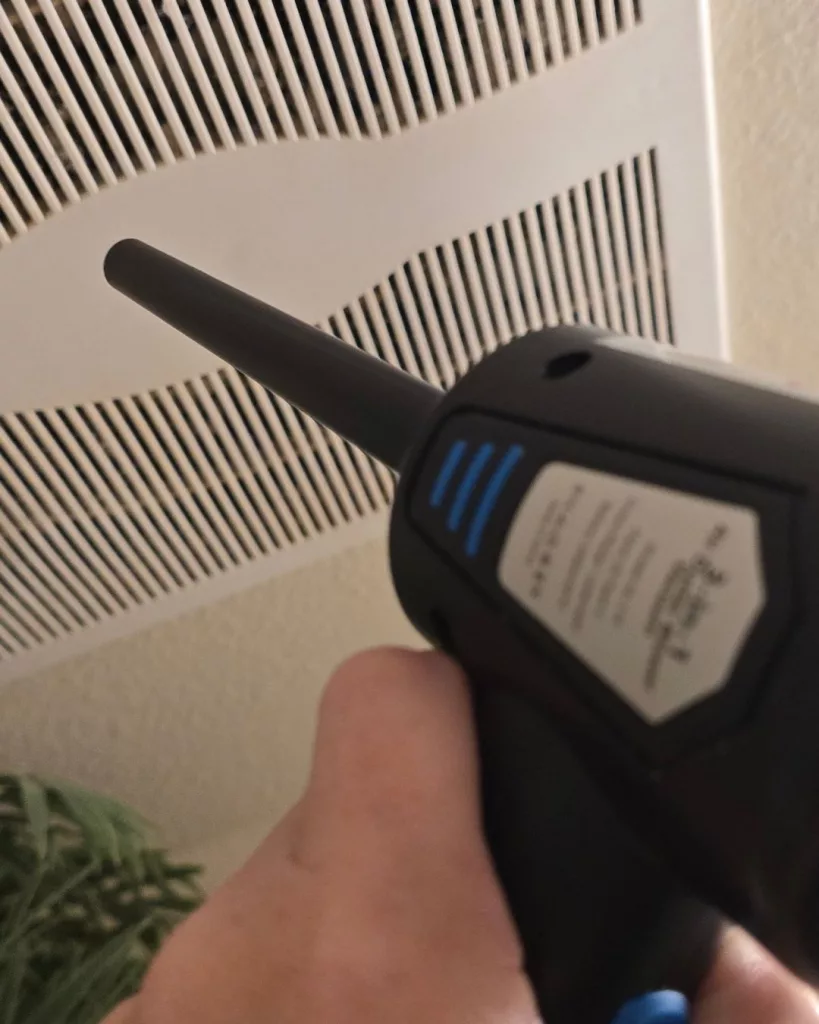
One of the most useful cleaning tools I own wasn’t marketed as a household cleaner at all. I originally bought a rechargeable 3 in 1 computer air blower and vacuum to clean my keyboard and electronics. It didn’t take long before I realized it worked just as well around the house.
Because it’s lightweight, I can grab it for a quick cleaning session instead of hauling out my full size vacuum for every little job.
I use it to clean:
- Air vents
- Fake plants
- Window tracks
- Bookshelves
- Keyboard and electronics
- Around small decorations
- Tight corners where dust likes to collect
The blower loosens dust while the vacuum catches much of it before it settles somewhere else. It’s especially handy for fake plants because I don’t have to wipe every single leaf by hand.
Tip: Start with the lowest power setting. I find it’s much easier to control and is powerful enough for most everyday dusting. If you come across stubborn dirt or heavier dust buildup, you can always increase the speed when needed.
Robot Vacuums
I don’t personally own a robot vacuum, but after seeing how much they help keep up with everyday dirt and pet hair, I can definitely see why so many people recommend them.
Running one on a regular schedule can keep dust and debris from building up between deeper cleaning sessions. It won’t replace a traditional vacuum, but it can reduce how often you need to pull one out.
If vacuuming takes a lot of energy, letting a robot handle the daily maintenance can make a big difference.
Swiffer Style Mops
There are days when filling a mop bucket, wringing out a mop, and carrying dirty water around the house just isn’t realistic.
That’s when a Swiffer style mop really shines.
Whether you use disposable pads or washable reusable ones, they’re lightweight, quick to grab, and perfect for cleaning up everyday messes without turning it into a major project.
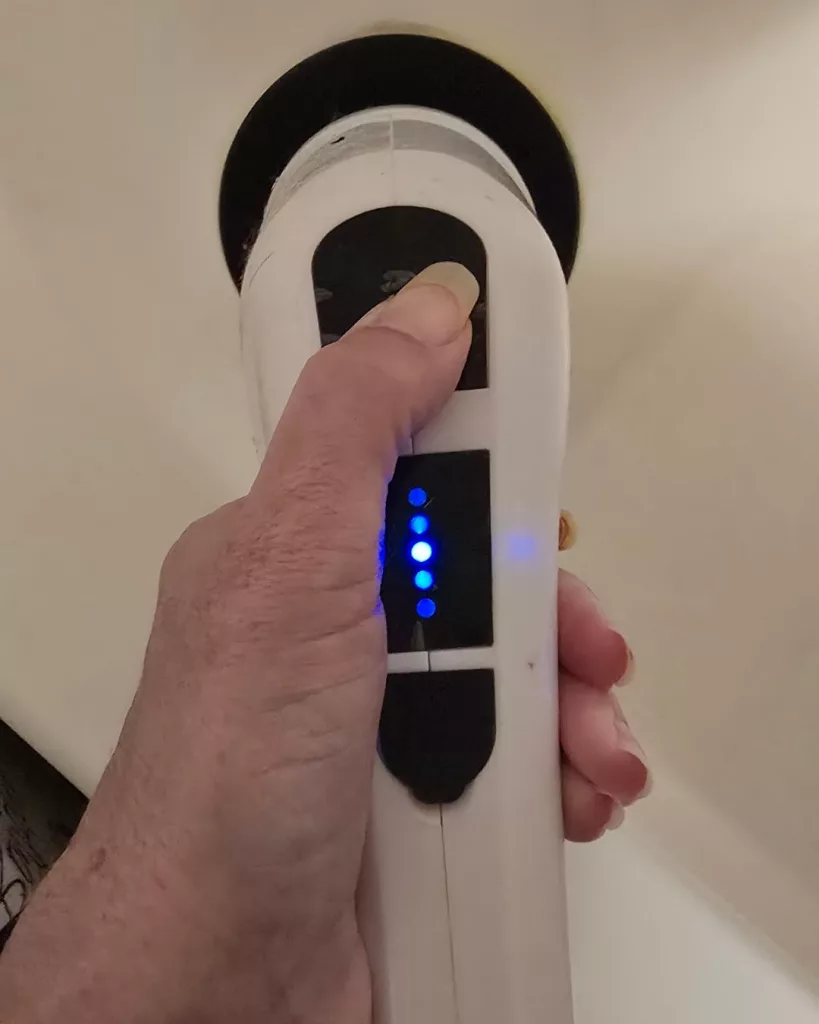
Electric Spin Scrubbers
Scrubbing showers, tubs, and tile can be one of the most physically demanding household chores.
An electric spin scrubber takes over much of that hard work, making it easier on your hands, wrists, shoulders, and back.
I use a basic 9 in 1 electric scrubber with interchangeable brush heads for different surfaces around the bathroom.
Tip: Don’t automatically use the highest speed setting. Starting on the lowest setting gives me much better control, and I only increase the speed when I’m dealing with stubborn soap scum or built up grime.
Simple Cleaning Tricks That Save Time
Not every cleaning solution comes from buying a new tool. Sometimes the simplest tricks are the ones that save the most time and energy.
These are a few of the cleaning habits I’ve picked up over the years that help me stay on top of everyday messes without turning cleaning into an all day project.
Coffee Filters for Streak Free Glass
I’ve been using coffee filters to clean glass for about 25 years, and I learned the trick in a place you might not expect.
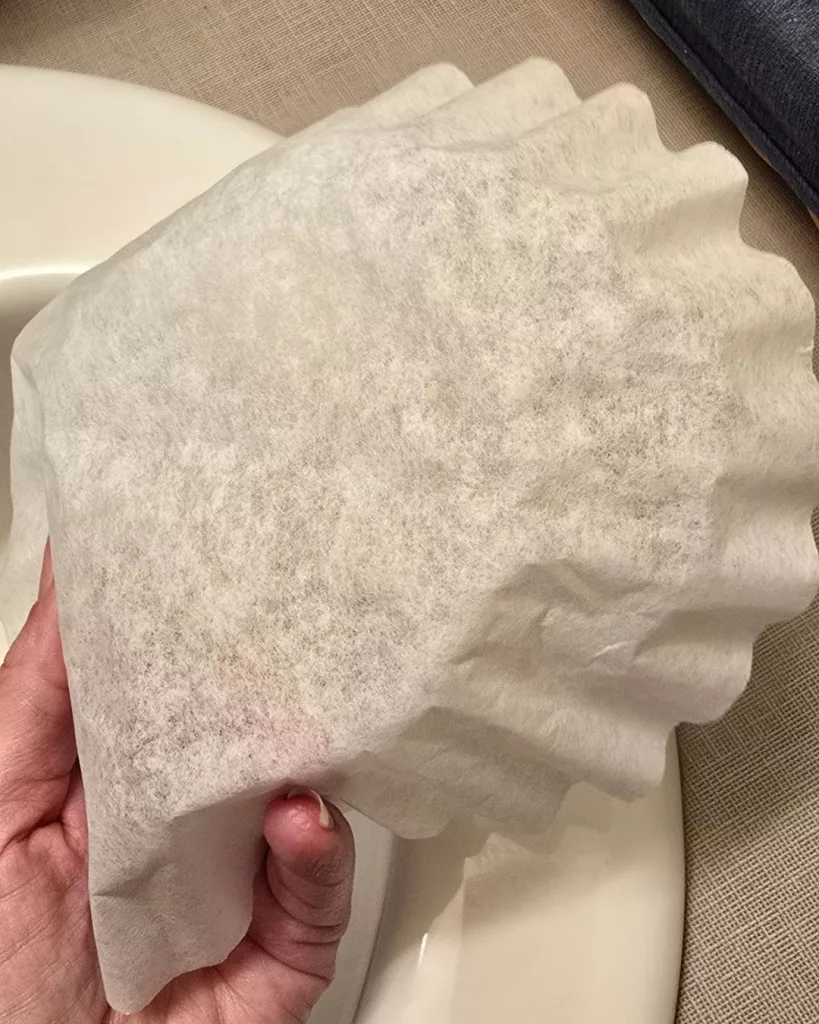
When I was waiting tables at Waffle House, one of the waitresses told me to clean the front windows with newspaper because it left the glass looking spotless. I tried it, but I couldn’t stand getting newspaper ink all over my hands.
Another waitress overheard our conversation and said, “Use coffee filters instead.”
I’ve been using that trick ever since.
Coffee filters leave very little lint behind, so I spend less time chasing streaks or wiping away the little fibers that paper towels sometimes leave behind. They’re inexpensive, easy to keep on hand, and work well on:
- Bathroom mirrors
- Windows
- Glass tables
- Shower doors
- Glass cabinet doors
Pair a coffee filter with your favorite glass cleaner or a homemade vinegar based glass cleaner, and you’ll usually get a clear, streak free shine with very little effort.
It’s one of those old household tips that’s stuck with me because it simply works.
DIY Glass Cleaning Wipes
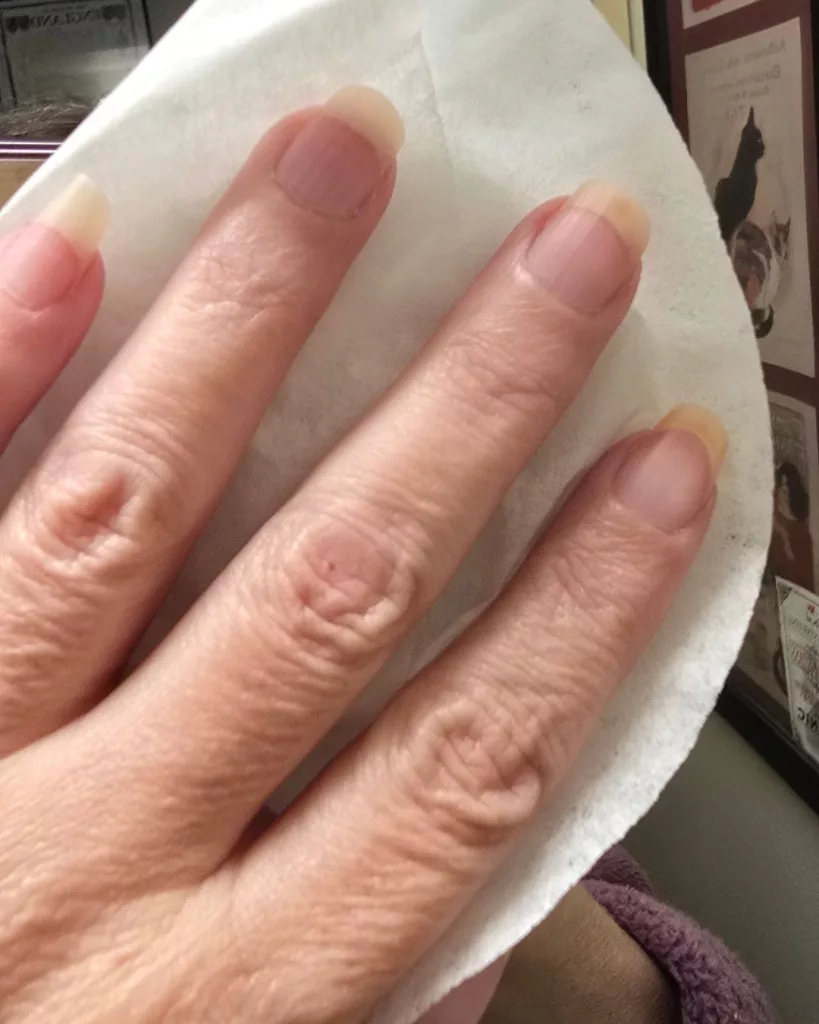
If you already use coffee filters to clean glass, it’s easy to turn them into ready to use cleaning wipes.
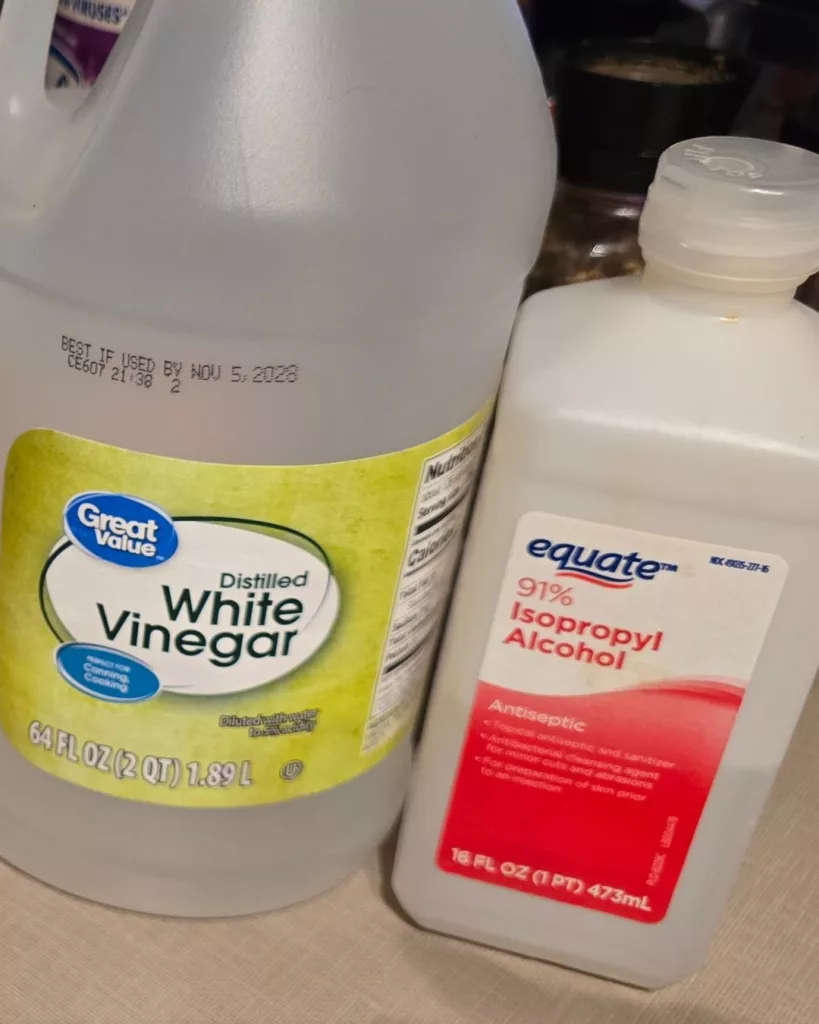
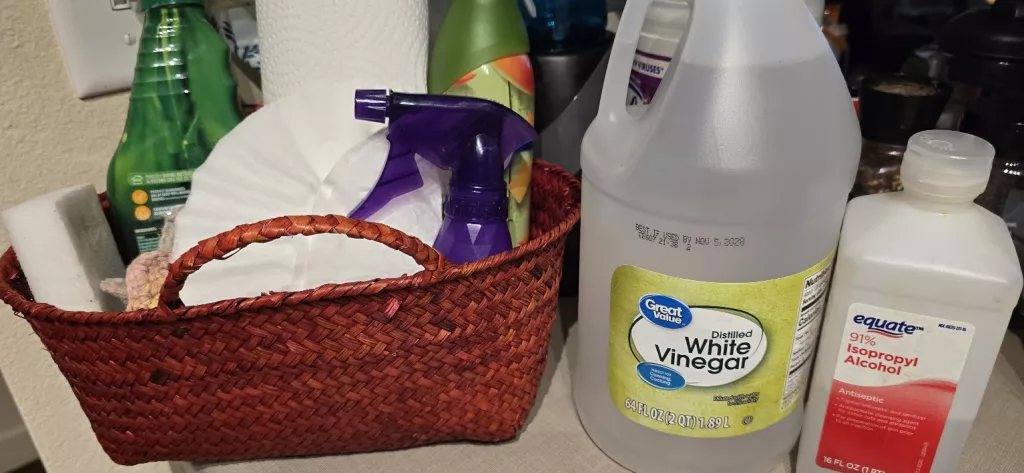
Simply place several coffee filters inside a reusable plastic container with a lid and pour in a homemade glass cleaning solution made with water, white vinegar, and isopropyl alcohol. Let the filters absorb the liquid, then pull one out whenever you need to wipe down a mirror or window.
It’s a small convenience, but having everything ready to go means I’m much more likely to wipe down the bathroom mirror while I’m already in there instead of putting it off for another day.
Note: Avoid vinegar based cleaners on natural stone surfaces such as marble, granite, and travertine, as the acid can damage the finish over time.
DIY Reusable Cleaning Wipes
Disposable cleaning wipes are convenient, but making your own reusable version is an easy way to save money and reduce waste.
I’ve made mine using old T shirts and worn out towels cut into cleaning cloths, but you can also use reusable shop towels or microfiber cloths if you prefer.
Store them in a container with your favorite homemade cleaning solution so they’re ready whenever you need to wipe down counters, cabinet doors, or other everyday surfaces.
If reusable cloths aren’t practical for you, cutting a sturdy paper towel roll in half also works well for homemade disposable cleaning wipes. I’ve found that thicker paper towels tend to hold up better than thinner brands.
The best system is the one you’ll actually use.
Spray the Shower Before You Step Out
One of the easiest ways to reduce bathroom cleaning is to prevent soap scum from building up in the first place.
Keep a bottle of after shower spray in the bathroom and give the walls, doors, and fixtures a quick spray before you get out of the shower.
It only takes a few seconds, but it can make a noticeable difference over time by reducing buildup between deeper cleanings.
It’s much easier to spend thirty seconds spraying the shower today than thirty minutes scrubbing it later.
Where to Find These Tools
I’ve put together complete collections of the exact tools, lightweight vacuums, and cleaning supplies mentioned in this guide. You can find everything organized in one place here:
- Shop on Amazon: Browse the full selection on my Amazon Idea List.
- Shop on Walmart: Check out the organized tools in my Walmart Collection.
Keep a Magic Eraser Handy
Sometimes the easiest cleaning solution is also one of the simplest.
A damp Magic Eraser can remove scuff marks, soap residue, fingerprints, and other everyday messes with very little effort. I like keeping one on hand for quick touch ups when I don’t want to pull out several different cleaning products.
They can be especially useful for:
- Light scuff marks on walls
- Baseboards
- Light switches
- Doors and door frames
- Bathroom fixtures
- Areas where vinegar isn’t the best choice
Because Magic Erasers work as a mild abrasive rather than relying on strong chemicals, they’re often a good option when you need a little extra cleaning power. Just remember to test them in an inconspicuous spot first, as they can dull or scratch some finishes if used too aggressively.
Like many of the tips in this guide, the goal isn’t to scrub harder. It’s to make everyday cleaning a little easier while respecting your body’s limits.
Create Cleaning Systems You’ll Actually Use
One of the biggest lessons I’ve learned is that cleaning isn’t just about having the right supplies. It’s about creating systems that make it easier to get started.
If something takes too many steps, I’m much more likely to put it off until later. That’s why I try to remove as many barriers as possible.
The easier I make a task, the more likely I am to actually do it.
Keep Your Cleaning Supplies Portable
I like to keep my everyday cleaning supplies together in a basket or small bucket with a handle. When it’s time to clean, I simply grab the basket and carry everything I need into the room I’m working on. It saves multiple trips back and forth looking for supplies, and when your energy is limited, those extra trips really add up.
If you have the space and a little extra room in your budget, try keeping one cleaning caddy in the kitchen and another in the bathroom. Holding the products you use most often directly in that room means you don’t have to carry anything around the house at all.
What’s Inside My Portable Caddy
The Energy-Saving Benefits
- Microfiber cloths & reusable rags: Kept at the bottom for quick dust and spill cleanups.
- Multi-surface spray: One reliable cleaner that works on counters, tables, and handles.
- Duster: A lightweight tool to clear surfaces without moving heavy objects.
- Trash bags: A few spare liners tucked into the side so I can empty small bins immediately.
Makes quick sessions easy: You can lift the caddy, clean for five minutes, and put it right away when your energy runs out.
Reduces physical steps: Eliminates walking back and forth to a central supply closet.
Prevents mental fatigue: Having everything in one spot means you don’t have to search or think about what tools you need before you start.
Keep Supplies Where You Use Them
You don’t have to keep every bottle of cleaner under the kitchen sink.
If you regularly clean more than one bathroom, consider keeping a basic set of supplies in each one. The same goes for your kitchen.
Having what you need within reach removes one more reason to put off a quick cleanup.
If Folding Laundry Doesn’t Work, Stop Folding It
This might be the permission you need to hear.
Clean clothes don’t become dirty just because they’re stored in a basket instead of folded neatly in a drawer.
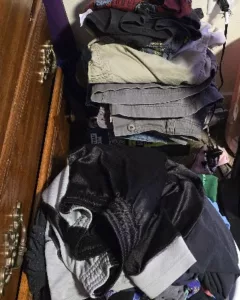
If folding laundry means it sits in a pile for days or even weeks, try a system that works better for you.
Use separate baskets for shirts, pants, pajamas, socks, or whatever categories make sense for your household. Fold only the items that wrinkle easily, and don’t worry about the rest.
Towels don’t mind if they’re folded.
Neither do pajamas.
The goal is to make clean clothes easy to find and easy to put away.
If your system helps you stay on top of the laundry without draining your energy, then it’s a successful system.
Small Changes Add Up
None of these ideas are complicated.
A basket with a handle.
Cleaning supplies where you use them.
Laundry baskets instead of perfectly folded drawers.
On their own, they don’t seem like much.
Together, they remove dozens of little frustrations that can make cleaning feel overwhelming.
You don’t have to change everything at once. Start with the one change that would make the biggest difference in your daily routine, then build from there.
Give Yourself Permission to Adapt
There are plenty of articles that tell you the “right” way to clean a home.
Fold every piece of laundry.
Deep clean every week.
Keep every room spotless.
For many people, those routines work just fine. But if you live with chronic illness, chronic pain, fatigue, or another condition that affects your energy, trying to follow those same expectations can leave you feeling discouraged.
The good news is that you don’t have to do things the traditional way.
If storing clean clothes in baskets helps you stay on top of the laundry, that’s a successful system.
Where to Find These Tools
I’ve put together complete collections of the exact tools, lightweight vacuums, and cleaning supplies mentioned in this guide. You can find everything organized in one place here:
- Shop on Amazon: Browse the full selection on my Amazon Idea List.
- Shop on Walmart: Check out the organized tools in my Walmart Collection.
If using a robot vacuum means your floors stay cleaner between vacuuming sessions, that’s a successful system.
If keeping a cleaning caddy in the bathroom helps you wipe down the sink before bed, that’s a successful system.
If using an electric scrubber means you can clean the shower without exhausting your shoulders or wrists, that’s a successful system.
The same goes for paper plates during a flare, grocery pickup, meal planning, or asking someone else to help with a task that’s simply too difficult that day.
Your home should support you, not become another source of stress.
I’ve learned that adapting my routines isn’t giving up. It’s recognizing what my body needs and finding practical ways to work with it instead of constantly fighting against it.
There will always be someone online with a perfectly organized pantry or an immaculate living room. That’s their home.
This one is yours.
Build routines that fit your life, your energy, and your priorities. The goal isn’t to impress anyone else. It’s to create a home that feels comfortable, functional, and welcoming for the people who actually live there.
📌Pin It
My Favorite Low Energy Cleaning Resources
If you’re looking for tools that can make cleaning a little easier, I’ve put together a few collections with the types of products I mentioned throughout this guide.
You’ll find things like:
- 3 in 1 computer air blowers and vacuums
- Electric spin scrubbers
- Robot vacuums
- Swiffer style mops and reusable mop pads
- Cleaning caddies
- Spray bottles
- Microfiber cloths
- Coffee filters
- Other cleaning tools that can help reduce the amount of lifting, scrubbing, or repetitive work involved in everyday cleaning
I’ve created both an Amazon Idea List and a Walmart Collection so you can choose whichever store works best for your budget and shopping preferences.
Please don’t feel like you need to buy anything and everything on the list. These collections are simply meant to save you time if you’re looking for the same types of tools I use or recommend. Start with the item that solves your biggest challenge. Sometimes one small change is all it takes to make a task feel much more manageable.
Final Thoughts
It’s funny how this article came to be.
It started with a surprise apartment inspection and a morning spent cleaning. As I moved from room to room, I realized I wasn’t doing anything complicated. I was simply using the little tricks, tools, and systems I’d picked up over the years to make cleaning easier on my body.
That realization reminded me that there are probably a lot of people who think they’re failing because they can’t keep up with traditional cleaning routines.
You’re not failing.
You may just need a different system.
A home doesn’t have to be spotless to be welcoming. It doesn’t have to be perfect to be well cared for. And it certainly doesn’t have to be cleaned the same way everyone else cleans theirs.
If using a computer air blower to dust your vents works, use it.
If coffee filters leave your mirrors streak free, use them.
If laundry baskets work better than folding, that’s okay too.
The goal has never been perfection.
The goal is creating a home that’s healthy, comfortable, and works with your body instead of against it.
I hope at least one of these low energy cleaning tips makes your daily routine a little easier. And if you have a favorite shortcut or accessibility tip of your own, I’d love to hear about it. We all learn from one another, and sometimes the smallest idea can make the biggest difference.
What low energy cleaning tip has made the biggest difference in your home? Share it in the comments below. Your idea might help someone else.
Frequently Asked Questions
What are low energy cleaning tips?
Low energy cleaning tips are simple strategies that make household chores easier by reducing the amount of lifting, scrubbing, bending, or repetitive movement involved. They focus on working with your energy level instead of trying to complete everything at once. Small changes, like using lightweight cleaning tools, keeping supplies within reach, or cleaning for just a few minutes at a time, can make a big difference.
How do you keep your house clean when you have chronic illness?
The key is to focus on maintaining a livable home rather than striving for perfection. Break larger chores into smaller tasks, use tools that reduce physical effort, and create systems that make cleaning easier to start. Even spending five or ten minutes tidying up can help prevent chores from becoming overwhelming.
What are the best cleaning tools for people with chronic pain or fatigue?
The best tools are the ones that make your most difficult chores easier. Some helpful options include lightweight 3 in 1 computer air blowers and vacuums for dusting, robot vacuums for everyday floor maintenance, Swiffer style mops, electric spin scrubbers for bathrooms, microfiber cloths, and a portable cleaning caddy to keep supplies organized. You don’t need every tool. Start with the one that solves the biggest challenge in your home.
Is it okay to keep clean clothes in baskets instead of folding them?
Absolutely. Clean clothes are still clean whether they’re folded, hung up, or stored in labeled baskets. If folding laundry leaves you exhausted or causes clean clothes to sit in piles for days, using baskets can be a practical and effective solution. The goal is to create a system that works for your lifestyle and energy level.
Can I use vinegar on every surface?
No. Vinegar is an excellent cleaner for glass, mirrors, and many other household surfaces, but it should not be used on natural stone such as marble, granite, quartzite, or travertine. The acidity can damage the finish over time. Always check that a homemade cleaner is safe for the surface you’re cleaning before using it.
Do I need to buy all of the cleaning tools mentioned in this guide?
Not at all. Many of these ideas use things you may already have, like coffee filters, old T shirts turned into cleaning cloths, or a small computer cleaning vacuum that can do double duty around the house. Choose the tools that solve the problems you have and fit your budget. Even one small change can make cleaning feel much more manageable.
What is the most important low energy cleaning tip?
Give yourself permission to clean differently. A home doesn’t have to look perfect to be clean, comfortable, and well cared for. The best cleaning routine is the one you can maintain without exhausting yourself. Focus on progress, build systems that work for your body, and remember that adapting your routine is a strength, not a failure.