Naming the Harm
This post contains affiliate links. As an Amazon Associate and Walmart Creator, I earn from qualifying purchases. I may also earn a commission through other affiliate programs at no extra cost to you. I only share products I genuinely find useful or interesting.
I’m disabled. I rely on safety net programs to survive. And lately, it feels like the net is being pulled away—not because it’s broken, but because someone decided people like me don’t deserve it.
This isn’t just a policy shift. It’s a moral failure. The social safety net failure we’re witnessing isn’t accidental—it’s systemic, calculated, and devastating. Every new rule, every confusing form, every sudden cutoff feels like a message: “You don’t belong here. You’re a burden. Prove you’re worthy—again and again.”
For disabled people, this isn’t just frustrating—it’s terrifying. We’re being asked to navigate a maze designed to exhaust us. And when we falter, the consequences aren’t theoretical. They’re food insecurity, untreated illness, homelessness, despair.
Bureaucracy as Cruelty—and the Engine of Social Safety Net Failure
There’s a comforting myth that bureaucracy is neutral. That it’s just slow, impersonal, maybe a little frustrating—but ultimately fair. For disabled people, that myth is dangerous.
Because when you live inside these systems, you learn quickly: bureaucracy isn’t just inefficient. It’s punitive. It’s exhausting. And it’s often designed to make you give up.
Here’s how social safety net failure plays out in real life:
- You’re asked to reapply for the same benefit every few months, even though your disability hasn’t changed.
- You’re sent letters with deadlines you can’t meet because they arrive late—or not at all.
- You’re denied help because a doctor didn’t phrase something exactly right, or a form was missing a signature.
- You’re told to call a number that never picks up, or to upload documents you don’t have the tech to scan.
- You’re expected to go into an office—burning time, gas, or navigating inaccessible public transit—just to fix something that shouldn’t be broken.
- You’re misled by recorded messages, like the one from WA DSHS that says you don’t need to wait on hold if you recertify online. But that’s not true. You still have to call in. I nearly lost my benefits last year because I believed that message.
These aren’t glitches. They’re barriers. And they work exactly as intended: to shrink the rolls, to cut costs, to make it harder for people like me to stay enrolled.
This is the quiet cruelty of the system. It doesn’t scream. It whispers: “You’re not worth the effort.”
And when we talk about social safety net failure, we need to name this clearly: it’s not just about broken systems. It’s about systems built to break us.
Helping the Helpless Is a Moral Imperative—Not a Policy Loophole
Whenever policymakers talk about tightening eligibility or adding more “accountability,” they frame it as protecting the system. They say it’s about preventing fraud, ensuring resources go to the “truly needy.” But that framing is a trap.
Because the real cost of these policies isn’t a few people getting help they don’t strictly “need.” It’s millions of people being denied help they absolutely do.
This is the heart of social safety net failure: a system so obsessed with catching the undeserving that it punishes the vulnerable. It’s like locking up 20 people because one might be guilty. That’s not justice—it’s cruelty.
And let’s be honest: the fear of someone “getting away with it” has become more politically potent than the reality of people suffering. But what kind of society are we building if we’d rather let people go hungry than risk someone getting an extra $100 in food stamps?
Food benefits don’t just feed the hungry—they help farmers offload surplus crops, stabilize prices, and keep food moving through the supply chain. Cutting these programs doesn’t just hurt the poor. It hurts the economy. It hurts everyone.
And here’s the deeper truth: if disability benefits were enough to live on, we wouldn’t need to rely on food stamps, housing vouchers, or emergency aid. But they’re not. We’re kept in these systems—alongside the “undeserving”—so they can point to someone “deserving” and keep us limping along. Not thriving. Not secure. Just barely surviving.
Helping the helpless isn’t a loophole. It’s the point. It’s the reason these programs exist. And if our systems can’t tolerate a little grace, they’re not built for justice—they’re built for punishment.
We need to stop treating compassion like a liability. We need to stop designing policies around suspicion. Because every time we prioritize gatekeeping over care, we deepen the harm—and we reinforce a system that fails the very people it was meant to protect.
The Just World Myth and the Lie Behind Social Safety Net Failure
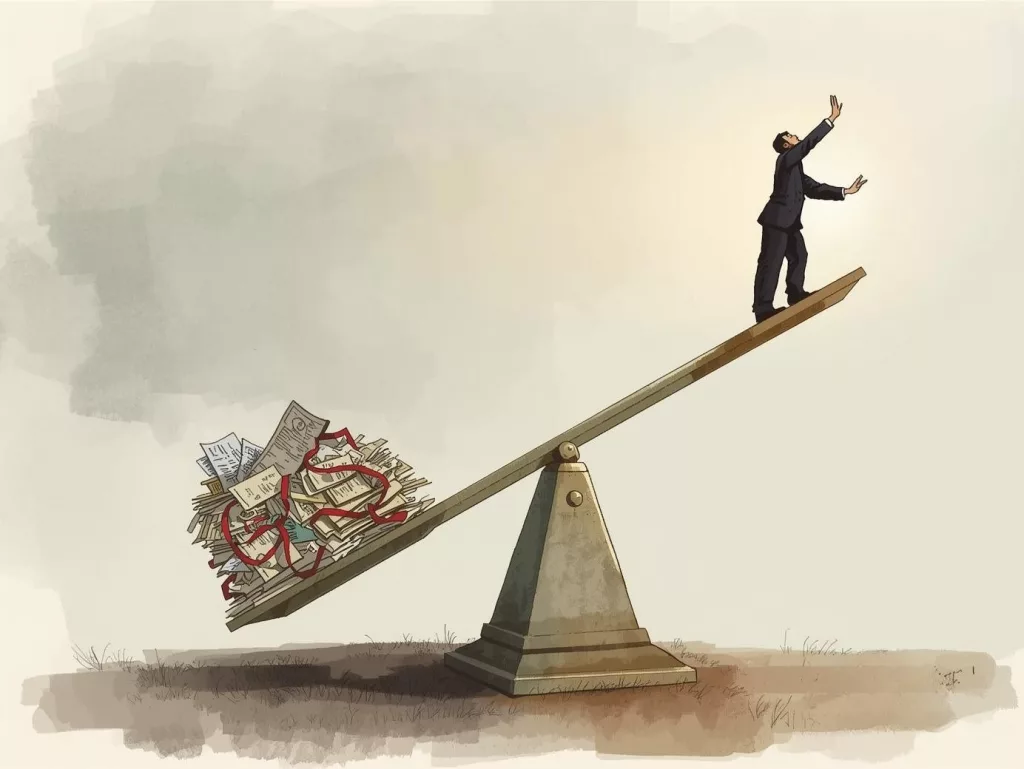
At the root of many harmful policies is a comforting lie: that the world is fair. That people get what they deserve. That if someone is struggling, it must be because they didn’t try hard enough, didn’t make good choices, didn’t “deserve” better.
This is the just world theory, and it’s everywhere—in political speeches, media narratives, even casual conversations. It tells us that suffering is earned, and that helping someone who’s struggling might disrupt the moral order.
But disability doesn’t follow moral logic. It doesn’t care how hard you work or how good you are. It doesn’t reward virtue or punish laziness. It just… happens. And when it does, you need help. Not judgment. Not suspicion. Just help.
The social safety net failure we’re living through is built on this myth. It assumes that people who need help must be morally suspect. That they’re trying to “game the system.” That they need to be tested, surveilled, and shamed before they’re allowed to eat.
This mindset doesn’t just hurt disabled people. It hurts anyone who’s poor, sick, undocumented, or simply unlucky. It turns compassion into a liability. It turns survival into a moral test.
And here’s the cruel irony: the people who cling to the just world theory often do so because they’re afraid. Afraid that suffering could happen to them. Afraid that the world isn’t fair. So they build walls of policy and paperwork to keep that fear at bay.
But those walls don’t protect anyone. They just isolate the vulnerable. They just deepen the harm.
As researchers have shown, just-world beliefs contribute to social safety net failure by reinforcing the idea that suffering is deserved. This study on health-related well-being explores how these beliefs shape policy and harm vulnerable populations, especially those with disabilities.
What Real Support Could Look Like—Beyond Social Safety Net Failure
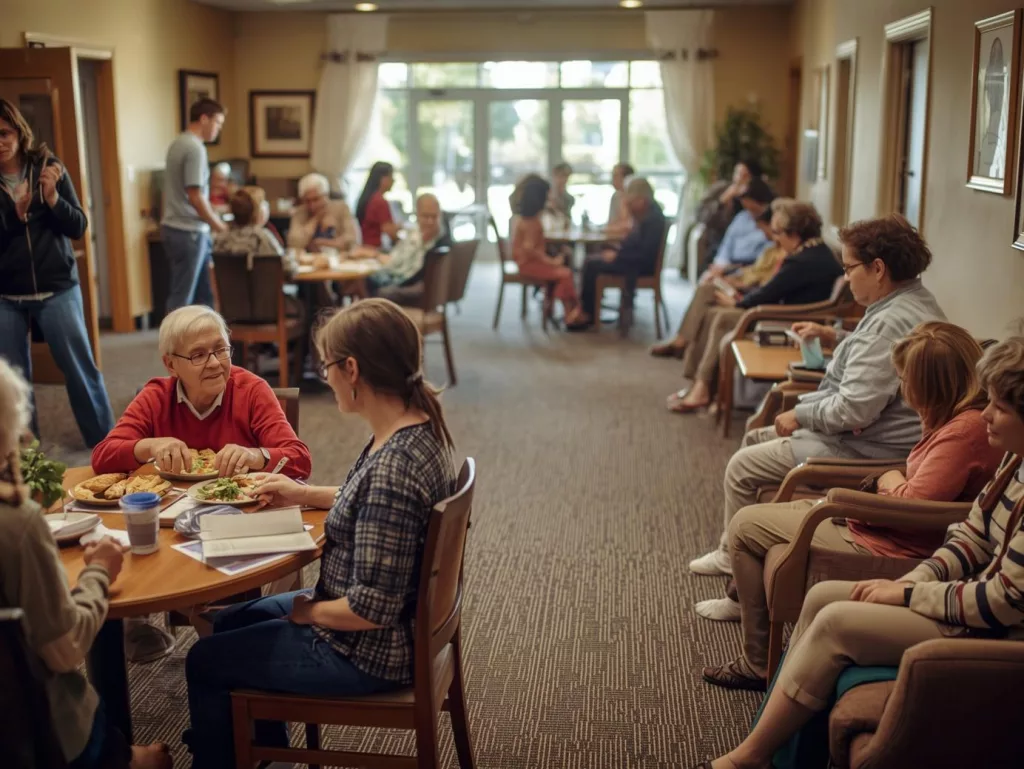
If we want to fix social safety net failure, we have to stop treating people like suspects. Not just disabled people. Not just the poor. Everyone.
Because here’s the truth: if someone needs help—whatever the reason, whomever they are—they should get it. No moral test. No purity standard. No gatekeeping.
And yet, disabled people are often held up as the “deserving poor”—used as rhetorical shields by those who want to cut aid to everyone else. We’re pointed to as exceptions. As proof that the system works. But it doesn’t. Not for us. Not for anyone.
We’re kept in these systems—barely surviving—so they can say, “See? We help the vulnerable.” While quietly making it harder for everyone else. That’s not protection. That’s exploitation.
If disability benefits were enough to live on, we wouldn’t need food stamps, housing vouchers, or emergency aid. But they’re not. So we’re forced to rely on the same systems being gutted in the name of “efficiency.”
So what would real support look like?
- Fewer barriers, not more
- Auto-renewal for long-term disability recipients.
- Pre-filled forms based on existing records.
- Eliminating in-person requirements for people with mobility, sensory, or cognitive barriers.
- Grace periods, not punishments
- 30–60 day grace windows for missed paperwork or recertifications.
- Retroactive reinstatement of benefits when someone is cut off due to administrative error.
- No immediate loss of benefits for minor infractions.
- Accessible tech, not digital gatekeeping
- Mobile-friendly portals with screen reader compatibility.
- Paper and phone options that are equally valid—not treated as “less efficient.”
- No required uploads of PDFs or scanned documents without alternatives.
- Clear communication, not contradictory messages
- Plain language letters with clear deadlines and next steps.
- Consistent messaging across phone lines, websites, and mail.
- No misleading recordings like the WA DSHS message that nearly cost me my benefits.
- Compassionate policy, not cruelty disguised as cost-cutting
- Assume good intent from applicants.
- Fund programs to meet need, not to meet quotas.
- Design systems that prioritize stability, not surveillance.
This isn’t radical. It’s humane. It’s possible. And it’s necessary.
Because social safety net failure isn’t just a policy issue—it’s a moral one. And we can’t fix it by tweaking the edges. We have to reimagine the whole thing with dignity at the center.
A Call to Conscience—and a Call to Action
Social safety net failure isn’t just a policy flaw—it’s a moral crisis. It’s what happens when we build systems that punish the vulnerable instead of protecting them. When we confuse cruelty for accountability. When we let fear dictate who gets to eat, who gets to rest, who gets to live.
I’m disabled. I rely on these systems. And I don’t deserve this treatment. But neither does anyone else.
I’m not writing this just for me. I’m writing it for the single parent who missed a deadline. For the elder who couldn’t navigate the online portal. For the undocumented neighbor who’s afraid to ask for help. For the person with no diagnosis but plenty of pain. For everyone who’s been told, “You don’t qualify.”
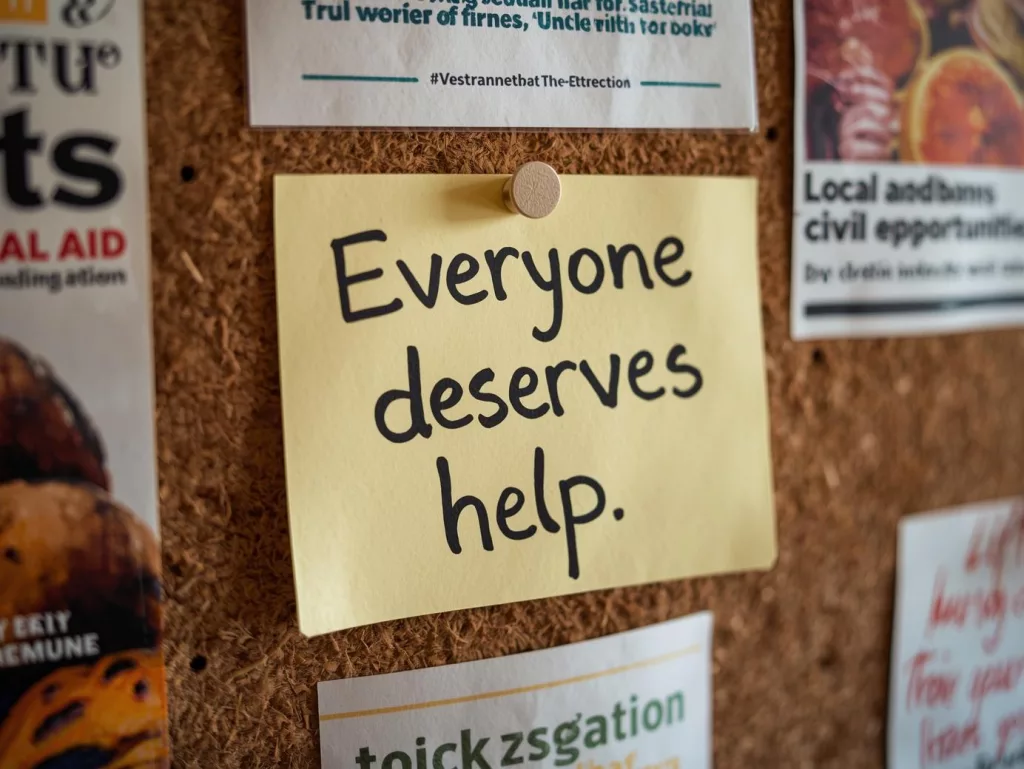
We all deserve help. Not because we’re perfect. Not because we’re pitiful. But because we’re human.
And if you’re reading this—whether you’ve never needed help or you’ve been fighting for it your whole life—I hope you’ll join me in demanding better. Because the measure of a society isn’t how it treats the powerful. It’s how it treats the vulnerable.
We don’t build a better world by punishing the helpless. We build it by showing up for them—without shame, without suspicion, and without delay.
💡 What You Can Do Today
- Volunteer or donate to your local food bank. Feeding America makes it easy to find opportunities near you.
- Call or write your representatives. Let them know you support policies that protect and expand the safety net. 5 Calls makes it easy.
- Learn more about how these systems work—and how they fail. Share what you learn. Talk about it. Break the silence.
Because silence is complicity. And compassion is action.
Further Reading on Social Safety Net Failure
A curated set of resources exploring the roots and consequences of social safety net failure—from disability policy and just-world beliefs to hunger relief and civic action. These articles and tools offer deeper insight into how our systems harm the vulnerable, and how we can build something better. Whether you're new to these issues or looking to take action, this list is here to support your learning, advocacy, and hope.

🧠 Just-World Beliefs and Systemic Harm
A research-backed look at how the belief that “people get what they deserve” leads to policy neglect and worsens health outcomes for vulnerable communities.

Understanding Disability: A Sociological Perspective
Explores how societal norms and moral judgments shape disability policy, often reinforcing exclusion and gatekeeping.

🏛️ International Disability Policy and Stigma
Highlights how global disability policies reflect paternalistic and stigmatizing views, and what inclusive alternatives could look like.

Disability Models: Societal Impacts and Policy Implications
Compares the medical and social models of disability, showing how policy built on the former often leads to surveillance and exclusion.
Make your voice heard.
A simple, actionable tool to contact your representatives on issues that matter—including disability rights, poverty, and public aid.